What Makes a Dark Web Link Verified
A verified dark web link is one whose authenticity you can confirm through cryptographic proof or multiple independent sources. The Tor Project documentation explains that .onion addresses are derived from a site's public key, meaning the address itself is mathematically tied to the server. This prevents someone from simply creating a fake address and claiming it belongs to a real service.
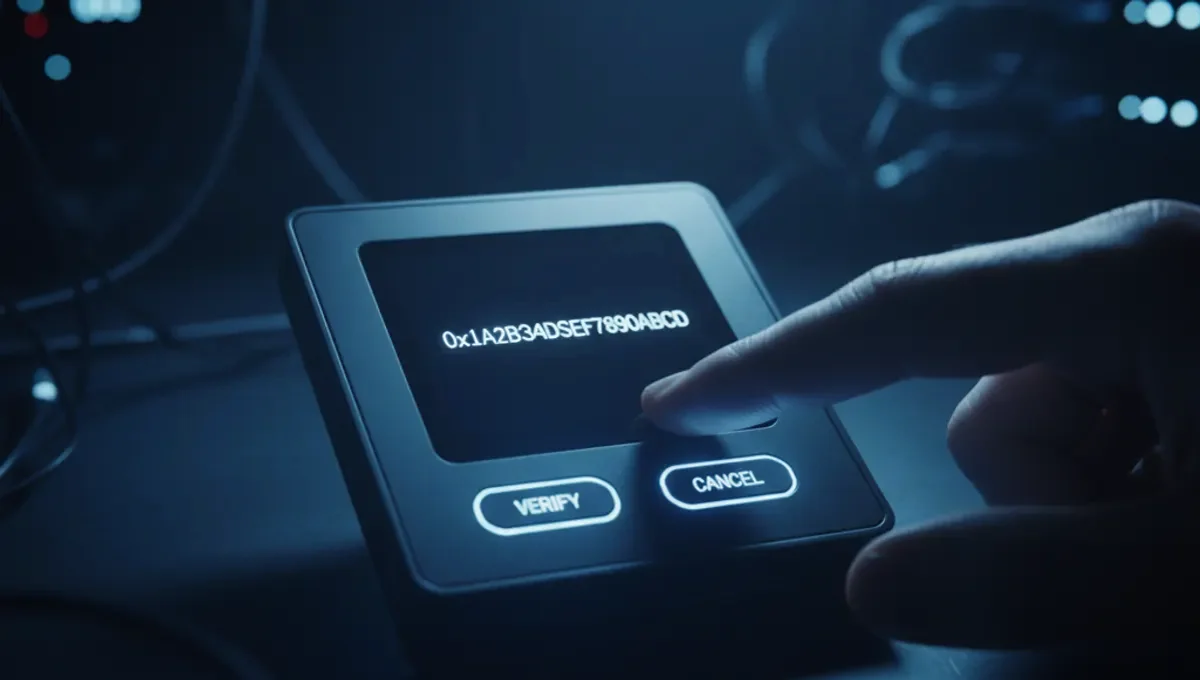
Verification typically happens through PGP signatures. When a legitimate darknet forum or marketplace operator wants to announce their address, they sign the announcement with their private key. You download their public key from a trusted source (usually their previous announcements or a pinned post on Reddit or a forum), then verify the signature matches. If the signature is valid, you know the message came from the real operator.
Without this step, you cannot tell if a link is legitimate. A phishing clone of a popular marketplace might look identical and have a similar .onion address, but it will not have a valid signature from the original operator. This is why links of dark web services shared without signatures are high-risk.
How Phishing Clones Exploit Link Directories
Phishing clones are fake copies of popular darknet sites created to steal login credentials, cryptocurrency, or personal data. They work because most users do not verify addresses before visiting them. A clone operator registers a new .onion address, copies the visual design of a real marketplace or forum, and then distributes the fake link through social media, Reddit threads, or unvetted link directories.
The clone looks and behaves almost identically to the real site. When you log in, your credentials go to the attacker. If you deposit cryptocurrency, it goes to their wallet. By the time you realize the deception, the funds are gone and the clone address is abandoned.
Top dark web links directories that do not require PGP verification or cross-reference multiple sources are common vectors for these clones. This is why casual link lists are unreliable. The best defense is to never visit a .onion address unless you have verified it through a PGP-signed announcement from the operator or found it listed on an official project page (like the Tor Project's directory of legitimate services).
Verification Methods for Active Dark Web Links
Several concrete methods exist for confirming that a dark web link is real and currently operated by the legitimate owner.
- Check PGP-signed announcements on Reddit communities dedicated to darknet discussion or on archived forum posts from the service itself
- Compare the .onion address against multiple independent sources; if only one source lists it, treat it with suspicion
- Look for the site's public key on their official social media accounts or previous announcements, then verify any new address against that key
- Visit the Useful Resources page of this site, which maintains links to official verification channels for known services
- If the service has a mirror or backup address, verify both through the same PGP key
None of these methods is foolproof alone, but together they create a strong verification chain. A link that passes all five checks is far more likely to be legitimate than one that fails any of them. Active dark web links change over time as operators migrate servers or shut down services, so re-verify before each visit.
Why Best Dark Web Links Lists Often Fail
Curated lists of best dark web links circulate on Reddit, GitHub, and other platforms, but most are outdated or unverified. The problem is that darknet services are inherently unstable. A marketplace or forum that was active last month may be offline now, seized by law enforcement, or replaced by a phishing clone. A static list cannot keep pace with these changes.
Additionally, many link lists are compiled by users who have never verified the addresses themselves. They copy links from other lists, introduce errors, or include clones without realizing it. When you follow such a list, you are trusting the compiler's diligence, not your own verification.
The best approach is to treat any link list as a starting point, not a destination. Use it to identify service names you want to find, then independently verify the current .onion address through PGP signatures or official announcements. This takes more time than blindly clicking a link, but it protects you from credential theft and financial loss.
Reality Check: How the Darknet Ecosystem Actually Works
Understanding three core facts about darknet infrastructure helps explain why verification matters.
First, Tor Project documentation confirms that .onion addresses are not registered in a central directory. Anyone can create a .onion address by running a Tor hidden service. This means there is no authoritative list of all legitimate services, and no way to prove an address is "official" except through cryptographic proof from the operator themselves. This is why PGP signatures are the only reliable verification method.
Second, law enforcement agencies regularly seize darknet services. When a marketplace or forum is shut down, its .onion address becomes inactive. Scammers then register new addresses with similar names and designs to capture users looking for the old service. Court records and law-enforcement press releases document these seizures, but the information is not always widely known, so users continue searching for dead links and find clones instead.
Third, the barrier to entry for running a darknet service is low, but the barrier to running one securely is high. This creates an environment where legitimate operators are outnumbered by scammers, honeypots, and law-enforcement monitoring. The result is that most dark web links you encounter are either fake, compromised, or under surveillance. This is why verification is not optional.
Organizing Links by Category and Purpose
Legitimate darknet directories organize links by function: forums, marketplaces, chat services, tools, and information resources. Understanding these categories helps you identify what you are looking for and assess the credibility of a link.
Forums are discussion platforms where users share information, ask questions, and build reputation over time. Marketplaces are transactional platforms where goods or services are listed and traded. Chat services are real-time communication channels, often encrypted. Tools are software or services that support anonymity or security, such as VPN providers or encryption utilities. Information resources include wikis, guides, and news aggregators.
Each category has different verification challenges. A forum link is easier to verify because forum operators typically maintain consistent identities and sign announcements. A marketplace link is harder to verify because operators frequently change addresses to evade law enforcement. A tool link is usually safe if it comes from the official project (like the Tor Project itself), but mirrors and clones of popular tools are common phishing vectors.
When you encounter a link, first identify its category, then apply the appropriate verification method for that category.
Your Next Step: Verify Before You Visit
The core takeaway is simple: a dark web link is only as safe as your confidence in its authenticity. No directory, no matter how well-maintained, can guarantee that every link is real. The responsibility for verification falls on you.
Today, pick one darknet service you are interested in finding. Search for its name plus "PGP" or "verification" to locate a signed announcement from the operator. Download their public key, verify the signature on the announcement, and confirm the .onion address matches what you found. This single exercise will teach you more about link verification than any list can.
Once you have done this once, the process becomes routine. You will develop an intuition for which links are trustworthy and which are suspicious. You will also understand why casual link collections are insufficient for safe darknet navigation. That discipline is what separates users who lose money to clones from those who navigate the darknet without incident.
Frequently asked
How do I know if a dark web link is real or a phishing clone
Verify the link through a PGP-signed announcement from the operator. Download their public key from a trusted source, then verify the signature on any new address they announce. If the signature is valid, the link is from the real operator. If you cannot find a signed announcement, compare the address against multiple independent sources and check for official verification channels.
Why do dark web link lists on Reddit become outdated so quickly
Darknet services are frequently taken offline by law enforcement, shut down by operators, or abandoned. A static list cannot track these changes. Additionally, many lists are compiled without verification, so they may include clones or dead links from the start. Treat link lists as starting points only, and always verify the current address independently.
What is the safest way to find active dark web links
The safest method is to search for PGP-signed announcements from the service operator on Reddit communities, archived forum posts, or the Useful Resources page of this site. Verify the signature using the operator's public key, then visit only the address confirmed by that signature. Avoid clicking links from unvetted directories or social media without verification.
Can I trust dark web link directories that claim to verify every link
No directory can guarantee verification of every link at all times, because services change addresses, go offline, or are seized without warning. Directories that claim complete verification are either not being honest or are not updating frequently enough. Always perform your own verification before visiting any link, regardless of the directory's claims.
What should I do if I accidentally visit a phishing clone
Do not log in or enter any personal information. Close the browser tab immediately. If you already entered credentials, assume they are compromised and change your password on the real service from a different device. If you sent cryptocurrency, contact the legitimate service operator to report the clone address so they can warn other users.